Applications
Stainless Steel Tube Solutions for the Energy Sector
Stainless steel pipes are essential in the energy sector, offering durability under high heat, pressure, and corrosive environments. Their thermal stability and low maintenance needs make them a preferred choice.
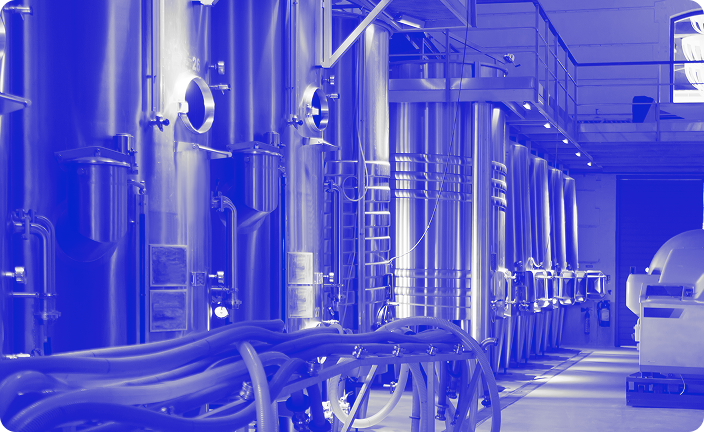
Why Stainless Steel?
- Withstands 200–600°C and high-pressure conditions
- Low thermal expansion reduces leak risks
- Superior corrosion resistance for long-term reliability
Key Applications
- Heat exchangers
- Steam & thermal transfer lines
- Condensers & cooling systems
Advantages
- Low maintenance: No coating or repainting needed
- Longer service life than carbon steel
- Higher energy efficiency with smooth internal surfaces
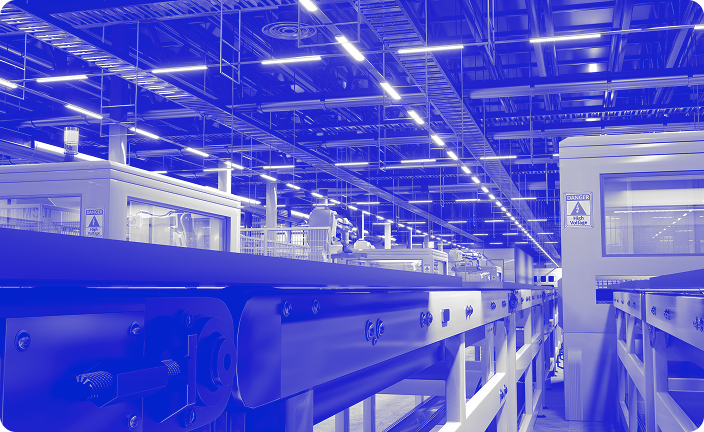
Stainless Steel Pipes & Profiles for the Automotive Industry
Stainless steel pipes are widely used in the automotive industry for their strength, corrosion resistance, and clean finish. They offer long-lasting performance in both structural and visible components.
Why Stainless Steel?
- Corrosion-resistant: Ideal against road salt, moisture, and harsh conditions
- Heat & vibration tolerant: Reliable under engine and exhaust system stress
- Aesthetic: Polished surfaces add value and visual appeal to exterior parts
Key Applications
- Exterior protection systems (bull bars, rear bars)
- Exhaust systems
- Fuel and emission lines
- Roll cages & chassis reinforcements
Advantages
- Lightweight yet strong: Improves fuel efficiency
- Easy to form & weld: Ideal for complex designs
- Low maintenance: No painting or coating needed
Stainless Steel Pipes for Greenhouse & Irrigation
Stainless steel pipes are ideal for modern agriculture, offering durability, corrosion resistance, and low maintenance in water-intensive systems like greenhouses and pressurized irrigation.

Why Stainless Steel?
- Resists UV, moisture, and outdoor conditions
- Withstands impact and vibration
- Smooth interior ensures clog-free water flow
Key Applications
- Fogging and Misting systems
- Pressurized irrigation
- Greenhouse piping
Advantages
- Longer lifespan than plastic or galvanized options
- Easy to install and connect to existing systems
- Lower maintenance, better performance
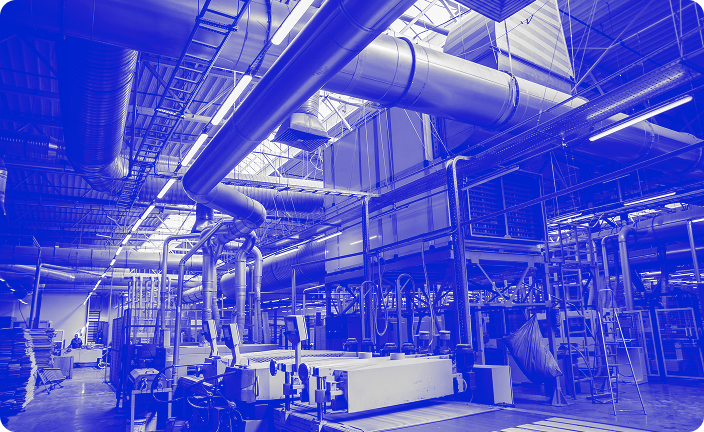
Stainless Steel Pipes in Industrial Facilities
Stainless steel pipes are widely used in industrial systems for their leak-proof performance, pressure resistance, and long service life.
Why Stainless Steel?
- Handles pressure and temperature changes without deformation
- Resists moisture, steam, and airborne chemicals
- Smooth interiors improve flow and ease cleaning
Key Applications
- Process lines
- Equipment piping
- Tank & filling systems
- White goods
Advantages
- 10–20 years of service life
- Leak-tight, safe connections
- Lower maintenance, reduced downtime
Stainless Steel Pipes for the Food & Beverage Industry
In the food and beverage industry, hygiene, corrosion resistance, and material traceability are essential. Stainless steel pipes meet these demands, ensuring safe transport of liquids and gases in clean environments.

Why Stainless Steel?
- Non-reactive and hygienic
- Corrosion-resistant
- Smooth internal surfaces
Key Applications
- Process piping
- CIP (Clean-in-Place) systems
- Tank and equipment connections
Advantages
- Fully traceable materials with certification
- Compatible with food-grade standards
- Long service life with minimal maintenance
Precision and Scale Through Automated Production
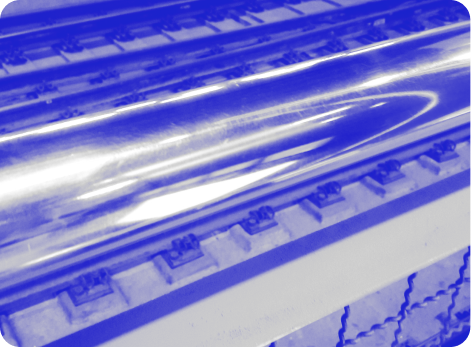
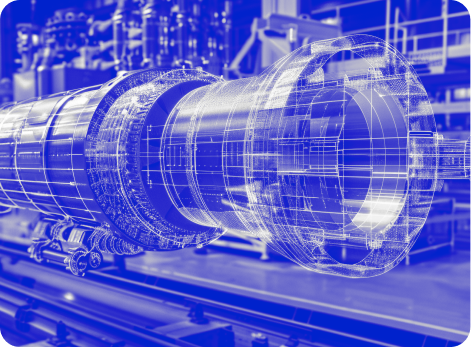
Bright Annealing Line
Cut to Length

Quality Lab
Insights from the Stainless Steel Experts
What Is Annealing and Why Does It Matter?
Read More →
TIG vs. Laser Welding: A Technical Comparison
Read More →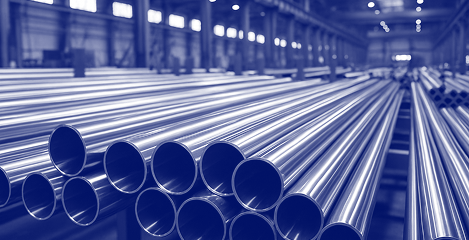
Meeting European Tube Standards: EN 10217-7...
Read More →Certified Excellence
→ EN 10217-7:2001
→ EN 10296-2:2005/AC:2007
→ ISO 14001:2015
→ ISO 45001:2018
→ ISO 9001:2015
→ AD 2000 W0
→ PED Annex I sec. 4.3
→ EN 764-5
reports on request