TIG (Tungsten Inert Gas) welding and laser welding represent two distinct approaches to high-precision joining, each with strengths and limitations that impact suitability for specific applications.
TIG welding offers excellent control, clean welds, and versatility across a wide range of materials and thicknesses. It is particularly valued in industries where aesthetic weld appearance and manual precision matter, such as custom fabrication or repair work. However, TIG welding is relatively slow, requires significant operator skill, and generates more heat input, which can cause distortion in thin-walled components.
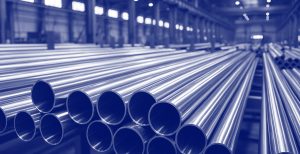
Laser welding, on the other hand, delivers extremely fast, highly repeatable welds with minimal heat-affected zones. Its energy density allows for deep penetration at high speeds, making it ideal for automated production lines and thin materials. The main limitations involve higher initial equipment costs, the need for precise part fit-up, and limited tolerance for joint gaps. In industrial tube manufacturing, laser welding is often used to maximize throughput and maintain consistent weld seam quality, while TIG remains preferred for specialized or low-volume tasks.